
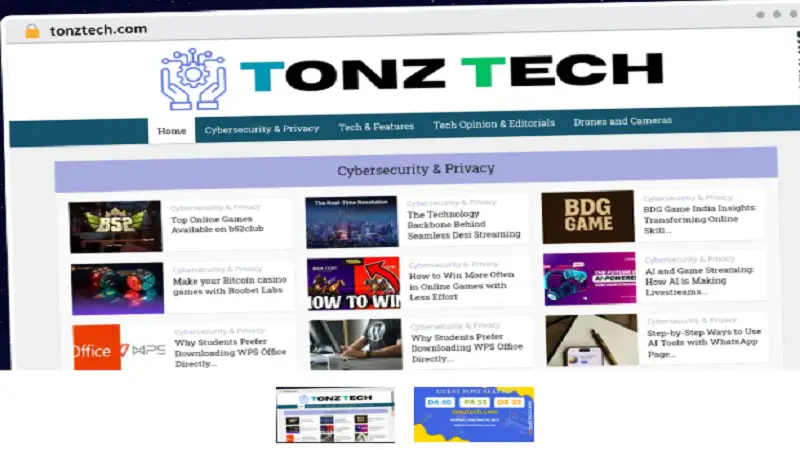
In today’s fast-moving digital world, people interact with technology platforms constantly—sometimes without fully understanding how they work or why they matter. From learning tools and productivity systems to innovation hubs and information platforms, technology shapes how we communicate, learn, and solve problems. This article offers a simple and informative overview of modern technology platforms, how they are typically structured, and the principles that guide their effective use. Using tonztech com as a neutral reference point, we will explore broader concepts that apply across the technology landscape rather than focusing on any single product or service.
Understanding Technology Platforms
A technology platform is a digital environment that brings together tools, information, and users to achieve specific goals. Platforms can support learning, collaboration, data management, creativity, or automation. While their functions vary, most platforms share a few common characteristics:
-
A user interface that allows people to interact easily
-
A backend system that processes data and logic
-
Guidelines or rules that ensure consistency and reliability
When people encounter names like tonztech com, they often associate them with innovation, digital solutions, or technical knowledge. The key is not the name itself, but the structure and purpose behind such platforms.
Core Components of Modern Digital Systems
1. User Experience (UX)
User experience focuses on how simple and intuitive a platform feels. Clear navigation, readable content, and logical workflows help users achieve tasks efficiently. Good UX reduces frustration and increases trust.
2. Information Architecture
Information architecture refers to how content is organized. Well-structured platforms group related information together, use meaningful headings, and guide users step by step. This structure is essential for both beginners and experienced users.
3. Technology Stack
Behind every platform is a combination of technologies—often called a stack. This may include programming languages, databases, and servers. While users do not see this layer, it determines speed, security, and scalability.
Why Simplicity Matters in Technology
One of the most important principles in digital design is simplicity. Complex systems can still feel simple if they are designed thoughtfully. Platforms that overwhelm users with features or cluttered layouts often fail to deliver value.
A simple and informative approach allows users to focus on learning or completing tasks instead of figuring out how the system works. Whether someone is exploring a concept related to tonztech com or any other technical topic, clarity is what turns information into understanding.
Guidelines for Using Technology Effectively
Keep Learning Continuously
Technology evolves quickly. Effective users develop a habit of continuous learning—reading updates, experimenting with tools, and reflecting on what works best.
Focus on Purpose
Before using any platform, it helps to ask: What problem am I trying to solve? Purpose-driven use prevents wasted time and keeps digital interactions meaningful.
Balance Automation and Control
Automation can save time, but users should still understand the basics of what a system does. Maintaining awareness ensures better decision-making and fewer errors.
The Role of Digital Literacy
Digital literacy goes beyond knowing how to click buttons. It includes understanding how information is created, shared, and evaluated online. A digitally literate person can:
-
Identify reliable information
-
Protect personal data
-
Adapt to new tools confidently
When encountering technical names or concepts, such as tonztech com, digital literacy helps users interpret them critically rather than accepting everything at face value.
Technology and Problem Solving
At its core, technology exists to solve problems. These problems may be personal, educational, or professional. Effective platforms encourage structured thinking by breaking large problems into smaller, manageable steps.
For example, many digital systems use dashboards, categories, and progress indicators. These elements help users track progress and stay organized. The same logic applies across various platforms, regardless of branding or specific focus.
Ethical Considerations in Technology
As technology becomes more influential, ethical considerations grow in importance. Responsible technology use involves:
-
Respecting privacy
-
Ensuring accessibility
-
Avoiding misinformation
Designers and users alike share responsibility for ethical behavior. Transparent systems and informed users contribute to healthier digital environments.
Adapting to Future Trends
Looking ahead, technology platforms will likely become more personalized, data-driven, and interconnected. Artificial intelligence, automation, and cloud systems are already shaping how platforms operate.
To adapt successfully, users should focus on transferable skills such as critical thinking, adaptability, and communication. These skills remain valuable even as specific tools change.
Understanding general concepts behind platforms like tonztech com helps users stay flexible and prepared for future developments.
Practical Tips for Everyday Users
-
Start with basic features before exploring advanced options
-
Take notes when learning new systems
-
Review settings to customize your experience
-
Ask questions and seek explanations when something is unclear
These habits make technology more approachable and less intimidating.
Conclusion
Technology platforms are an integral part of modern life, influencing how people learn, work, and connect. By focusing on simplicity, structure, and responsible use, anyone can navigate digital systems with confidence. Rather than being overwhelmed by technical names or rapid change, users benefit from understanding the principles that guide effective platforms. With a clear mindset and continuous learning, technology becomes not a barrier but a powerful tool for growth and problem-solving. See More