
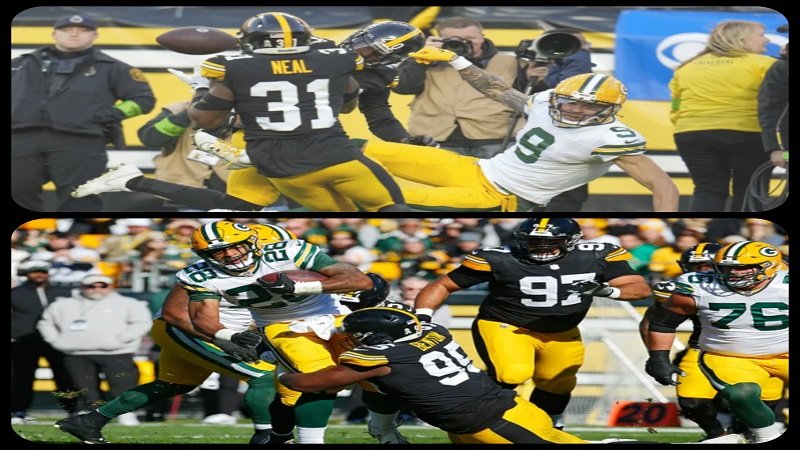
When two iconic NFL franchises like the Green Bay Packers and the Pittsburgh Steelers face each other, fans naturally focus on more than just the final score. Individual performances often tell the deeper story of how the game unfolded. From quarterback efficiency to defensive stops and special teams impact, player statistics help explain momentum swings, strategic decisions, and key turning points. In this article, we take a clear and simple look at how to understand green bay packers vs pittsburgh steelers match player stats and what they reveal about performance on the field.
This guide is designed to be informative rather than promotional. It explains the most important stat categories, how they are interpreted, and why they matter when analyzing a Packers–Steelers matchup. Whether you are a casual viewer or a detail-oriented fan, understanding these numbers adds a new layer of appreciation to the game.
How to Read Match Player Statistics
Before diving into specific positions, it helps to understand what match player stats represent. These statistics are numerical summaries of what each player contributed during the game. They are commonly grouped by offense, defense, and special teams.
Key Guidelines for Interpreting Stats
-
Context matters: A high yardage total does not always mean efficiency. Game situation and play style matter.
-
Consistency over flash: Repeated solid plays can be more valuable than one big highlight.
-
Team impact: Some contributions, such as blocking or coverage, may not show clearly in basic stat lines.
-
Comparative analysis: Looking at both teams side by side gives a clearer picture than viewing stats in isolation.
Using these guidelines helps prevent misinterpretation and allows for a fair assessment of player performance.
Quarterback Performance Breakdown
Quarterbacks are usually the focal point of any statistical review. Their numbers often reflect how well the offense executed its game plan.
Common Quarterback Stats
-
Passing attempts and completions
-
Passing yards
-
Touchdowns and interceptions
-
Completion percentage
-
Quarterback rating
In a Packers–Steelers matchup, quarterback stats often highlight contrasting styles. Green Bay quarterbacks have traditionally emphasized timing, accuracy, and decision-making, while Pittsburgh quarterbacks are known for toughness, improvisation, and extending plays.
When reviewing green bay packers vs pittsburgh steelers match player stats, pay close attention to interception totals and third-down conversions. These numbers often indicate which quarterback managed pressure better and sustained drives more effectively.
Running Backs and the Ground Game
The running game plays a crucial role in controlling tempo and field position. Even if passing dominates headlines, rushing stats can quietly decide outcomes.
Key Rushing Metrics
-
Total rushing yards
-
Carries per player
-
Yards per carry
-
Rushing touchdowns
-
Longest run
For Green Bay, running backs often contribute both on the ground and as receivers. Pittsburgh, on the other hand, frequently leans on physical runners who wear down defenses over time. Comparing rushing attempts and efficiency helps explain time-of-possession differences and red-zone success.
A balanced offense usually shows steady rushing production even when passing numbers are modest. That balance often appears clearly when studying green bay packers vs pittsburgh steelers match player stats in detail.
Wide Receivers and Tight Ends
Skill-position players provide some of the most exciting moments in the game. Their stats reflect explosive plays, consistency, and chemistry with the quarterback.
Receiving Statistics to Watch
-
Receptions
-
Receiving yards
-
Yards after catch
-
Receiving touchdowns
-
Targets
Wide receivers stretch the field, while tight ends often serve as reliable options on crucial downs. Green Bay has historically emphasized precise route-running, while Pittsburgh receivers are often known for physicality and contested catches.
When reviewing receiving stats, look beyond total yardage. A receiver with fewer yards but multiple first-down catches may have had a bigger impact than one long reception.
Offensive Line Contributions
Offensive linemen rarely appear in highlight reels, but their influence is reflected indirectly through other stats.
Indicators of Strong Line Play
-
Low sack totals allowed
-
Successful short-yardage conversions
-
Consistent rushing lanes
-
Minimal penalties
A quarterback with time to throw and a running back with clean gaps usually points to solid offensive line performance. While individual linemen may not have traditional stats, their effectiveness is essential to interpreting overall offensive success.
Defensive Player Statistics
Defense often determines whether a game remains close or turns one-sided. Defensive stats highlight pressure, discipline, and adaptability.
Core Defensive Metrics
-
Total tackles
-
Sacks
-
Tackles for loss
-
Interceptions
-
Pass breakups
The Steelers are especially known for aggressive defensive schemes that generate pressure, while the Packers often emphasize disciplined coverage and opportunistic takeaways. Comparing sack totals and forced turnovers gives insight into which defense dictated play.
In many cases, green bay packers vs pittsburgh steelers match player stats show that a single defensive turnover can shift momentum more than sustained offensive drives.
Special Teams Impact
Special teams may account for fewer plays, but their statistical impact can be decisive.
Special Teams Stats to Review
-
Field goal percentage
-
Punting average
-
Kick and punt return yards
-
Coverage tackles
A long return or a missed field goal often changes field position and confidence. Consistent punting can pin opponents deep, while accurate kicking secures points when offensive drives stall.
These contributions are especially important in closely contested games where every possession counts.
Penalties and Discipline
Penalty stats are sometimes overlooked, but they can significantly influence outcomes.
Important Penalty Considerations
-
Number of penalties
-
Total penalty yards
-
Defensive pass interference calls
-
Pre-snap penalties
A team with fewer penalties often maintains better rhythm and avoids unnecessary setbacks. Discipline is frequently a hidden factor behind winning performances.
Comparing Team Efficiency
Beyond individual stats, team efficiency metrics tie everything together.
Efficiency Indicators
-
Third-down conversion rate
-
Red-zone efficiency
-
Time of possession
-
Turnover differential
These numbers explain how well each team maximized opportunities. High efficiency often compensates for lower yardage totals and reflects smart situational football.
What Player Stats Reveal About the Game
When viewed collectively, player stats form a narrative. They show which strategies worked, which players rose to the occasion, and where adjustments were made. In many Packers–Steelers games, the story is one of contrasting philosophies meeting on the same field.
By studying green bay packers vs pittsburgh steelers match player stats, fans can better understand why a game unfolded the way it did, beyond surface-level highlights.
Conclusion
Player statistics are more than just numbers on a page. They are tools that explain performance, strategy, and execution. From quarterback decision-making to defensive pressure and special teams precision, every stat contributes to the bigger picture.
A thoughtful review of these metrics enhances appreciation for the complexity of football and the effort behind every snap. Whether you are analyzing a past matchup or preparing to watch the next one, understanding how to read and interpret player stats will always deepen your connection to the game. Learn More