In the modern digital world, where reality often blurs with illusion, a new concept called “Fauxmoi” is making waves. The term represents a fascinating shift in how people express themselves online — a blend of authenticity and artificial identity. But what exactly is Fauxmoi, and why is everyone talking about it? Let’s explore this emerging trend that’s reshaping digital identity and online influence.
What Does “Fauxmoi” Mean?
The word Fauxmoi comes from two French words — “faux” meaning fake, and “moi” meaning me. Together, Fauxmoi literally means “fake me.”
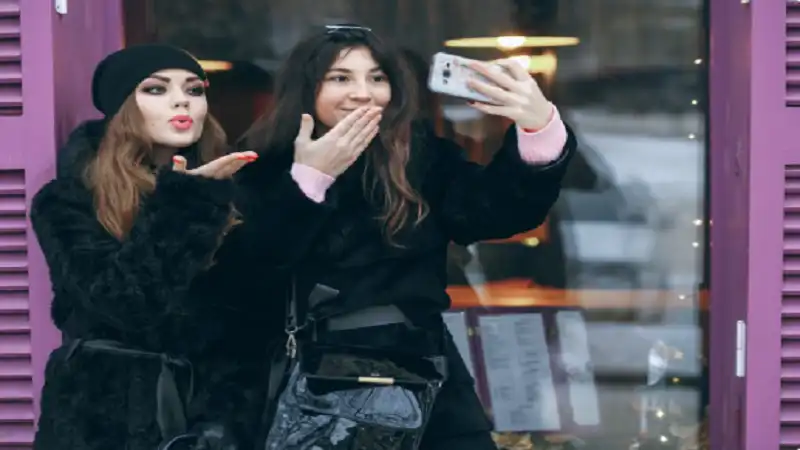
It describes the digital version of ourselves that we create for the internet — a version that may not be 100% real but is carefully curated to fit our desired image. From AI-generated influencers to picture-perfect Instagram profiles, the concept of Fauxmoi reflects how people and brands are crafting alternate realities online.
For example, an influencer might present a flawless lifestyle online, while their real life may be completely different. Similarly, virtual influencers like Lil Miquela or Imma are Fauxmoi figures — not real humans, but still capable of influencing millions of people.
The Origin of Fauxmoi
The rise of Fauxmoi is deeply tied to social media culture and the advancement of artificial intelligence.
When social media first began, people used it to share real-life moments. But over time, it evolved into a space where perfection, aesthetics, and branding became more important than authenticity. This shift gave birth to the “Fauxmoi” phenomenon — where the line between the real self and the digital self started to blur.
Now, with AI tools, filters, and virtual modeling software, creating a “Fauxmoi” has never been easier. Many brands even use virtual personas to represent their products because they are easier to control, always look perfect, and never face scandals.
Why People Create Fauxmoi Identities
The idea of creating a Fauxmoi identity isn’t just about deception — it’s about control, creativity, and comfort. Here are some key reasons why individuals and brands create these alternate versions of themselves:
-
Perfection and Self-Expression:
People want to show their best selves online. Fauxmoi allows them to design a digital identity that aligns with their ideal image. -
Privacy Protection:
In an age of data leaks and cyberstalking, many prefer to keep their true identities private while still participating online. -
Brand Building:
Influencers and businesses create Fauxmoi identities to maintain consistent branding and avoid the risks of real-world controversies. -
Escapism:
Some use Fauxmoi personas to escape reality — to live a fantasy version of themselves that feels more exciting or confident.
Fauxmoi in Pop Culture and Media
Fauxmoi isn’t limited to individuals — it’s now a mainstream trend in entertainment, fashion, and marketing.
-
AI influencers like Lil Miquela and Shudu Gram have millions of followers despite being completely virtual.
-
Brands such as Prada and Balmain use digital models to represent their products.
-
TV shows and films explore this idea too — think of how virtual characters or AI avatars are replacing real performers in ads and even music videos.
The media loves Fauxmoi because it represents both innovation and mystery — a perfect mix for online engagement.
The Pros and Cons of Fauxmoi
Like any modern trend, Fauxmoi has both benefits and drawbacks.
✅ Pros
-
Creative Freedom: Anyone can design and live through a unique digital version of themselves.
-
Controlled Image: No bad days, scandals, or unpredictable behavior — your Fauxmoi is always on-brand.
-
Privacy and Safety: It protects real identities from exposure.
❌ Cons
-
Loss of Authenticity: The internet becomes less genuine as people hide behind filters and fake personas.
-
Mental Health Issues: Constant comparison with “perfect” online lives can lead to anxiety and insecurity.
-
Unrealistic Standards: Fauxmoi culture pushes impossible beauty and lifestyle ideals.
The Future of Fauxmoi
As artificial intelligence continues to grow, the Fauxmoi movement will likely expand even further. In the future, digital clones, voice replicas, and AI-driven influencers may dominate online spaces.
However, this raises important ethical questions —
Can something fake have real influence?
Can people trust digital identities that aren’t human?
The line between real and virtual will only get thinner, forcing society to rethink what it means to be “authentic.”
Conclusion
Fauxmoi is more than just a trend — it’s a reflection of our digital age. It represents how technology, creativity, and human psychology come together to build identities that blur the boundaries between real and fake.
In the coming years, Fauxmoi could redefine the meaning of self-expression and authenticity. Because perhaps the future of being “real” online isn’t about being genuine — it’s about being strategically unreal.
Read More: Beauty Besto